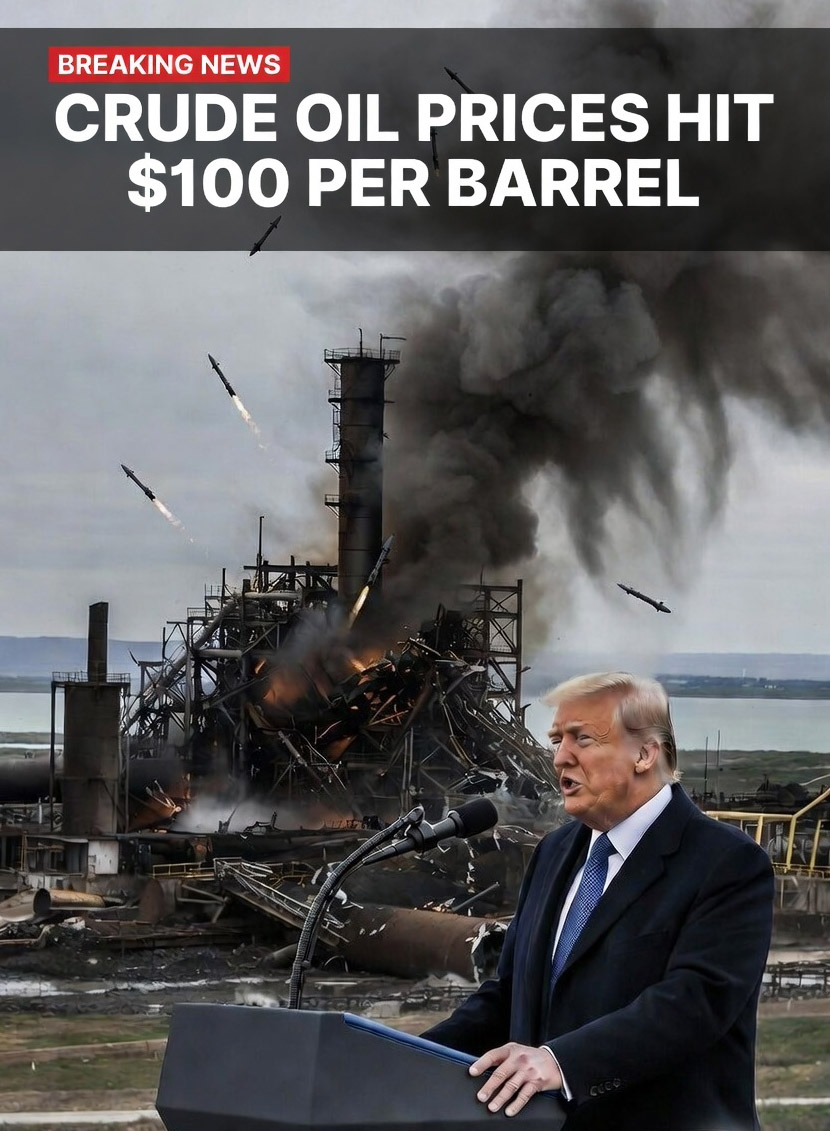
The war, initiated by coordinated air and missile assaults from the United States and Israel, has targeted Iran’s nuclear facilities, missile capabilities, and now, critically, its energy infrastructure. On March 8 and 9, reports emerged of intensified strikes, including Israeli warplanes hitting oil storage depots and refining facilities in and around Tehran. These attacks caused massive fires, toxic black smoke enveloping the city, and widespread environmental concerns, with the World Health Organization warning of potential contamination to food, water, and air supplies. U.S. officials expressed dismay at the scale of Israel’s actions, which reportedly went “far beyond” what was anticipated, leading to civilian fallout and a spike in oil prices that the Trump administration viewed as politically damaging.
Iran, heavily reliant on oil exports for its economy, has been a key supplier to global markets, particularly to countries like China, India, and parts of Europe. The dependency of oil-importing nations on Iranian supply has made this conflict particularly disruptive. In retaliation, Iran’s Islamic Revolutionary Guards Corps (IRGC) announced on March 10 that they would not permit “one litre of oil” to be exported from the region if the attacks persisted, effectively extending a blockade on the Strait of Hormuz. This vital waterway, bordered by Iran to the north, handles approximately one-fifth of the world’s seaborne oil trade—around 15-20 million barrels per day from producers including Saudi Arabia, Iraq, Kuwait, and the UAE. The blockade, which has already halted tanker traffic for over a week, has forced regional producers to reduce output as storage facilities fill up, creating a domino effect on global supply chains.
On March 9, two vessels transiting the Strait were attacked, heightening fears of a broader regional escalation. Iran’s new Supreme Leader, Mojtaba Khamenei—appointed on March 9 following the death of his father—has rallied the nation’s security apparatus, vowing that Iran, not the U.S., will determine the war’s end. This leadership transition has emboldened Iran’s response, including missile launches targeting Israel, Gulf countries, and even a ballistic missile intercepted by NATO defenses over Turkey.
Economic Fallout: Soaring Oil Prices and Global Inflation
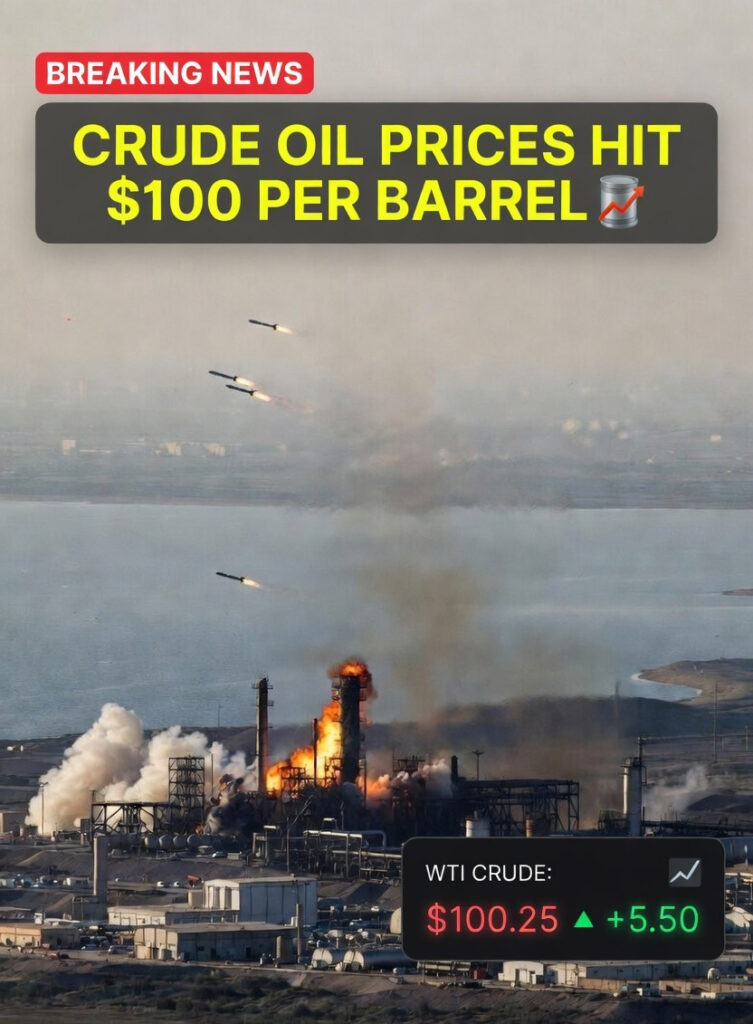
The immediate consequence of these events has been a sharp rise in oil prices, underscoring the vulnerability of the global economy to Middle Eastern geopolitics. Brent crude futures surged by as much as 29% on March 9, reaching highs not seen since 2022, before partially retreating amid speculation of a quick resolution. By early March 10, Brent was trading at around $79.41 per barrel, up 9% from the previous Friday, while West Texas Intermediate (WTI) climbed to $72.79. Analysts predict that prolonged disruptions could push prices beyond $200 per barrel if the conflict widens.
This volatility has rippled through financial markets: Stock indices in Asia, Europe, and the U.S. plummeted, with the Nikkei falling 1.3%, EURO STOXX 50 futures dropping 1.3%, and S&P 500 futures losing 0.8%. Countries like the UAE and Kuwait even temporarily closed their stock markets due to the chaos. For oil-dependent economies, the blockade means higher costs for fuel, transportation, and goods, fueling inflation at a time when many nations are still recovering from previous global shocks.
President Donald Trump, addressing the crisis in a March 9 news conference, acknowledged the inevitability of rising oil prices, stating that they represent a “small price” for global security and the installation of a democratic government in Iran. He warned Iran against further disrupting oil flows, threatening to hit the country “twenty times harder” if the Strait of Hormuz remains blocked. Trump also described the conflict as a “short-term excursion” that would end “very soon,” potentially before the initial four-week timeline, but only after Iran’s missile and nuclear programs are decisively defeated. In a bid to mitigate shortages, Trump announced potential waivers on sanctions for Russian oil and releases from strategic reserves, following a conversation with Russian President Vladimir Putin.
The Moral Quandary: Is the Cost Justified?
At the heart of this conflict lies a profound ethical question: How fair is it that the wrong decisions of a few stubborn and cruel leaders force the entire world, including America, to endure severe inflation and hardship? Trump’s vision of imposing a “good and democratic government” in Iran echoes long-standing U.S. foreign policy goals, but critics argue it overlooks the human and economic toll. A Reuters/Ipsos poll on March 9 revealed that only 29% of Americans approve of the war, with 67% expecting higher gas prices—a stark indicator of domestic discontent ahead of midterm elections.
The strikes on civilian-serving infrastructure, such as refineries and fuel depots, have raised humanitarian alarms, with reports of toxic fallout affecting ordinary Iranians. Globally, the burden falls disproportionately on developing nations reliant on affordable energy, potentially leading to food shortages, higher grocery bills, and disrupted supply chains for essential goods. Proponents of the intervention, like Trump, frame it as necessary to curb Iran’s regional influence and nuclear ambitions, but detractors question whether regime change justifies the widespread suffering.
In conclusion, the events of March 8 and 9, 2026, mark a critical escalation in the Iran war, with Iran’s blockade and retaliatory threats amplifying a global oil crisis. As President Trump pushes for a swift victory, the world grapples with the trade-offs between security, democracy, and economic stability. Whether this conflict ends as quickly as promised remains uncertain, but its impacts on everyday people—from Tehran to global consumers—are already painfully clear. Readers are encouraged to share their views: Is the pursuit of change in Iran worth the global price?