
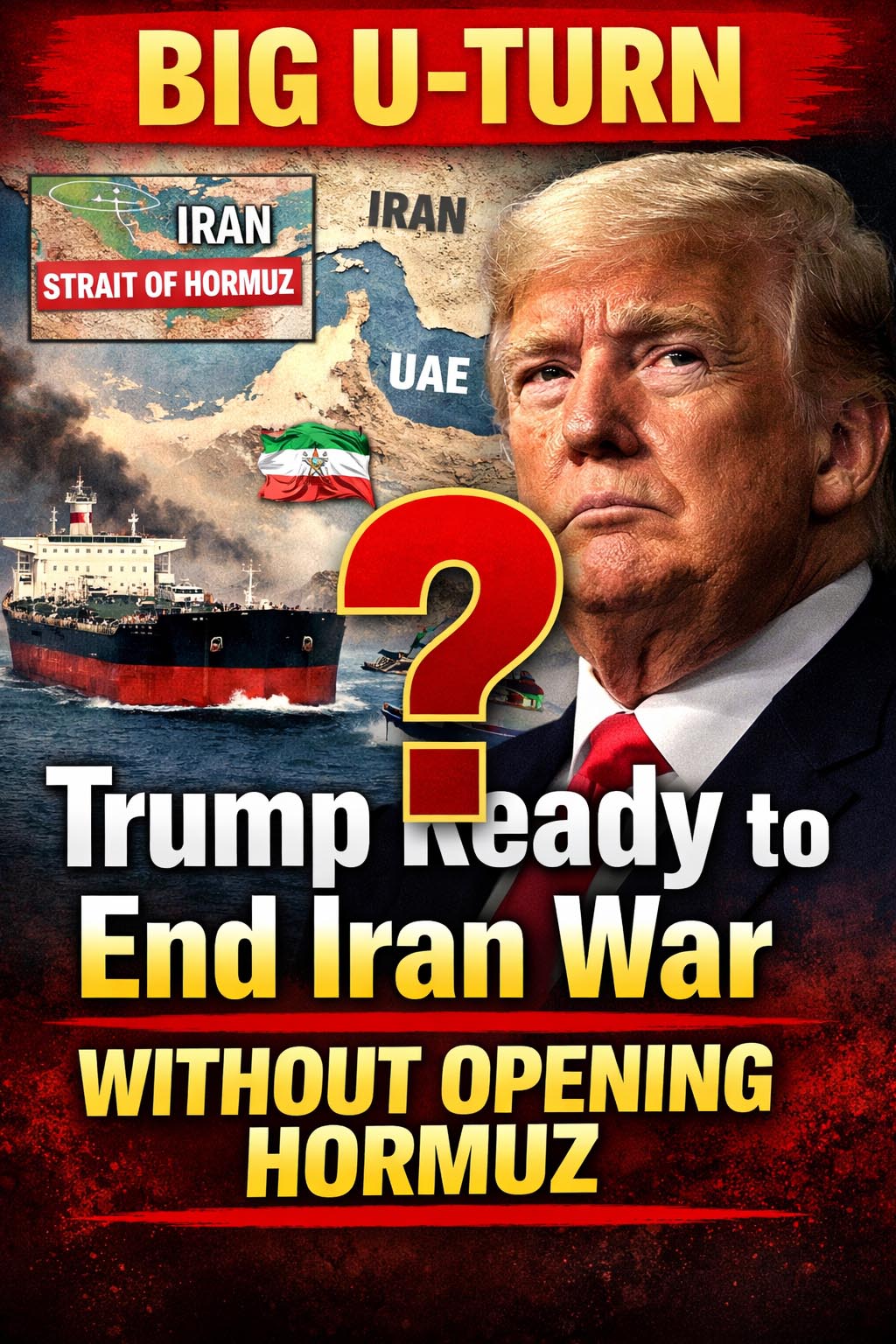
Washington — In a notable shift that marks a potential turning point in the ongoing U.S. military campaign against Iran, President Donald Trump has signaled he is prepared to declare an end to hostilities even if the Strait of Hormuz remains largely closed under Iranian influence. The move represents a dramatic pivot from earlier aggressive rhetoric threatening direct action to force open the critical waterway, raising fresh questions about U.S. strategy in the Middle East and adding to the security concerns of key Gulf allies.
The development, first reported by The Wall Street Journal and corroborated across multiple outlets, comes as the Trump administration faces a self-imposed timeline to wrap up Operation Epic Fury — the U.S.-led strikes targeting Iranian military capabilities. Trump has told aides he is open to exiting the conflict within two to three weeks, prioritizing the degradation of Iran’s immediate threats over a prolonged effort to secure full maritime access through the strait.
From Threats to Pragmatic Restraint
Earlier in the campaign, Trump issued stern ultimatums, warning that failure to reopen the Strait of Hormuz — a vital chokepoint carrying roughly one-fifth of global oil supply — would trigger escalated U.S. strikes on Iranian energy infrastructure, including power plants, oil wells, and Kharg Island. At one point, he even jokingly referred to the waterway as the “Strait of Trump” while pressing for swift reopening.
Now, the administration is acknowledging the practical challenges of a complex military path to fully dislodge Iranian control. Officials have indicated that reopening the strait is no longer a core prerequisite for ending the war, though they continue to work toward it through diplomacy and pressure. Iran has maintained significant leverage over global energy routes, allowing limited “non-hostile” shipping while keeping the strait as a strategic pressure point.
This policy adjustment reflects military restraint on Trump’s part amid mounting operational realities and domestic pressures to avoid an open-ended commitment. It also comes after Iran agreed to limited oil shipments in recent days, which Trump described as a sign of progress in indirect talks.
Gulf Allies Express Growing Alarm
The stance has heightened concerns among Gulf countries, particularly Saudi Arabia and the United Arab Emirates, who view a premature U.S. exit as leaving Iran’s regional influence largely intact. Gulf leaders have privately urged the administration to press for deeper concessions — including curbs on Iran’s ballistic missile program and proxy networks — before any ceasefire, fearing that Iran’s continued grip on the Strait of Hormuz could embolden future disruptions to energy security.
Officials in Riyadh and Abu Dhabi have expressed frustration that the U.S. may be deprioritizing long-term Gulf stability in favor of a quick resolution. Some Gulf states are even exploring options for a coalition to address the strait independently, while others worry that reduced U.S. engagement could push them closer to alternative partners. The war has already strained alliances, with questions arising about the reliability of American security guarantees despite shared bases and longstanding ties.
Implications for Global Energy and U.S.-Iran Relations
The Strait of Hormuz remains a linchpin for worldwide oil and gas flows, and Iran’s ability to restrict access has already contributed to volatility in energy markets. While oil prices have eased slightly on hopes of de-escalation, analysts warn that prolonged Iranian control could sustain higher costs and supply risks for importers worldwide.
This latest chapter in Trump’s Iran policy underscores a broader recalibration in U.S.-Iran relations. After years of maximum-pressure sanctions and direct confrontation during his first term, the current approach blends military action with a willingness to step back from open-ended commitments. Tehran has denied formal negotiations but acknowledged indirect exchanges, while continuing to reject U.S. demands as excessive.
As the Middle East grapples with the fallout — including ripple effects on Israel, Lebanon, and proxy conflicts — Trump’s U-turn highlights the tension between short-term war termination and long-term strategic goals. Gulf security, Iran’s dominance over key energy corridors, and the trajectory of U.S. engagement in the region will likely define the coming weeks.
For now, the administration insists its core objectives are being met through sustained strikes, even as it explores an off-ramp that stops short of total victory on the strait. Whether this pragmatic shift leads to lasting stability or simply resets the stage for future tensions remains to be seen.