Escalation in the US-Israel-Iran War: Trump Vows Heavy Strikes as Tehran Pledges Defiance
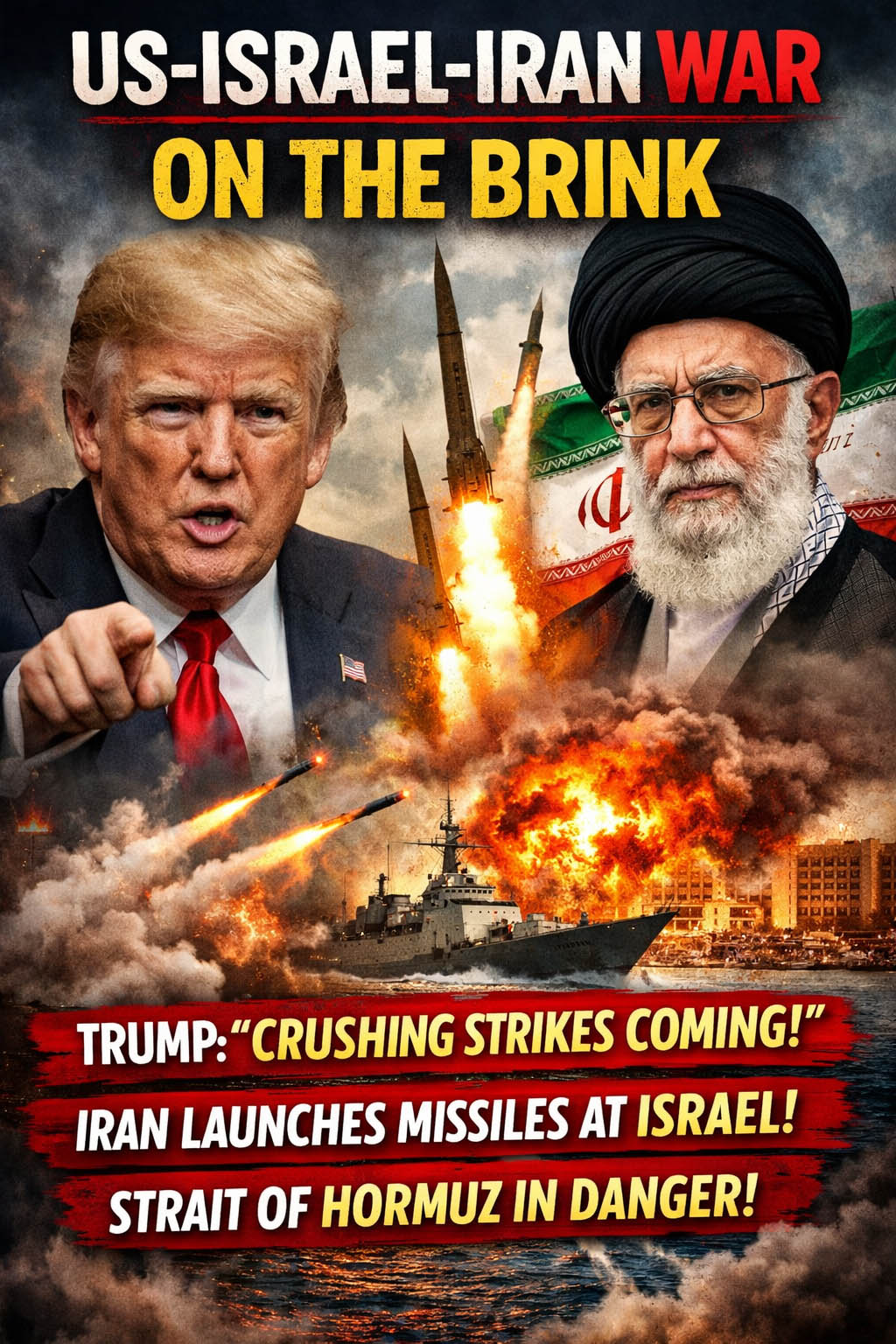
April 2, 2026 — Tensions in the ongoing US-Israel war against Iran reached a new peak on Wednesday as US President Donald Trump delivered a national address claiming that American forces are close to achieving their core military objectives, while simultaneously threatening to strike Iran “extremely hard” in the coming weeks. In response, Iran launched fresh waves of missiles toward Israel and continued attacks on Gulf nations, with Tehran firmly rejecting any notion of a ceasefire.
In his address to the nation, Trump stated that the United States is “on track to complete” its strategic goals, which include significantly degrading Iran’s missile and drone capabilities, weakening its military infrastructure, and preventing the development of nuclear weapons. He described the campaign as delivering “decisive, overwhelming victories” and indicated that major combat operations could wind down in the next two to three weeks if objectives are met—though he made clear that heavy strikes would continue in the interim. Trump also referenced Iran’s disruption of shipping through the Strait of Hormuz, a critical chokepoint for global oil supplies, warning of further action if the waterway is not fully reopened.
Hours after the speech, Iran fired additional ballistic missiles at Israel, prompting Israeli air defenses to respond. The Israel Defense Forces (IDF) reported intercepting most projectiles, with limited damage and injuries reported in some areas. Iranian attacks also targeted or affected Gulf states, including reports of missile activity near Kuwait, Bahrain, the UAE, and Saudi Arabia, where some facilities intercepted incoming threats.
Iran’s Foreign Ministry spokesperson Esmaeil Baghaei delivered a defiant response, stating that Tehran would “continue to fight back for as long as US-Israeli strikes continue.” He explicitly rejected what he called a “vicious cycle of war, negotiations, ceasefire,” adding that Iran “will not tolerate” such a pattern. Baghaei described the conflict as an “unjust war imposed on the Iranian people” and dismissed claims that Tehran had sought a ceasefire as “false and baseless.”
Iran’s Health Ministry reported that a century-old medical research centre was “severely damaged” amid the continuing US-Israeli strikes. This adds to broader concerns about civilian infrastructure, with earlier reports noting damage to hospitals, pharmaceutical facilities (including cancer drug production), schools, and cultural sites across Iran. Tehran has maintained its retaliatory operations against regional targets despite mounting pressure.
In a notable outreach, Iranian President Masoud Pezeshkian released an open letter to the American public on the eve of Trump’s address. Pezeshkian emphasized that Iran “has no hostility towards the people of the US, Europe or its neighbours,” stressing that early relations between Iranians and Americans were not marked by enmity. He portrayed Iran’s actions as legitimate self-defense and warned that strikes on civilian infrastructure amount to aggression with wider consequences, urging Americans to question the motives behind the war.
Background and Broader Context
The conflict erupted on February 28, 2026, with large-scale US and Israeli strikes on Iranian military sites, missile infrastructure, and leadership targets. Iran responded with extensive missile and drone barrages against Israel, US bases, and Gulf allies, while disrupting shipping in the Strait of Hormuz. The war has caused significant casualties and damage on multiple sides, displaced populations, and triggered global economic ripples through energy markets.
As of April 2, the situation remains fluid. Trump has signaled that a formal deal is not strictly necessary for the US to conclude operations, but Iran insists it will defend itself until attacks cease. Regional actors, including Gulf states, continue to bolster defenses, while international concern grows over potential further escalation, civilian impacts, and disruptions to global oil flows.
Both sides appear locked in a cycle of strikes and retaliation, with Trump projecting strength and progress for the US-led effort, and Iran maintaining a posture of resolute resistance. Developments in the coming days—particularly regarding the Strait of Hormuz and any new barrages—will likely determine whether the conflict moves toward de-escalation or further intensification.